POSHAN Abhiyaan nutrition for mothers and children tackles malnutrition and improves health and growth across India. Poor nutrition during pregnancy and early childhood can lead to long-term physical and mental health challenges. The National Nutrition Mission addresses this issue through a comprehensive approach that combines nutrition awareness, health services, and community participation.
Rather than focusing only on food distribution, the mission works on improving knowledge, behaviour, and access to services. It recognises that nutrition outcomes depend on multiple factors such as healthcare, hygiene, education, and family practices. By strengthening these areas together, the National Nutrition Mission aims to create lasting improvements in maternal and child nutrition.
Understanding POSHAN Abhiyaan
This maternal and child nutrition initiative is a national mission designed to improve nutritional indicators among children, adolescent girls, pregnant women, and lactating mothers. The programme promotes coordination among various government departments so that nutrition-related services reach beneficiaries in an organised and effective manner.
The focus is on early-life nutrition because the first years of life are critical for growth and development. Nutritional gaps during this period can have lifelong consequences. This maternal and child nutrition initiative aims to reduce such risks by supporting families at the most vulnerable stages.
Why Nutrition for Mothers and Children is Critical
Maternal Nutrition and Health
A mother’s nutritional status directly affects pregnancy outcomes. Inadequate intake of essential nutrients can lead to complications such as anaemia, fatigue, and low birth weight. Proper nutrition supports maternal strength, reduces health risks, and improves recovery after childbirth. The programme ensures mothers get timely guidance and support.
Child Growth and Development
For children, nutrition influences physical growth, brain development, and immunity. Insufficient nutrition in early childhood can result in stunting, underweight conditions, and learning difficulties. Addressing these issues early helps improve educational outcomes and overall quality of life. The initiative focuses on preventing these challenges through timely awareness, monitoring, and support.
Key Objectives of POSHAN Abhiyaan
The mission operates with clearly defined objectives aimed at improving nutrition outcomes:
- Reducing malnutrition among children
- Improving nutrition levels of pregnant and lactating women
- Addressing anaemia among women, children, and adolescent girls
- Promoting healthy dietary practices using locally available foods
- Strengthening monitoring and service delivery systems
Each objective contributes to broader public health goals. The POSHAN Abhiyaan programme for maternal and child health integrates these objectives into a single community-focused framework.
How POSHAN Abhiyaan Supports Mothers
Nutrition Education
One of the core components of the programme is nutrition education. Mothers receive guidance on balanced diets, portion sizes, and the importance of micronutrients. This knowledge helps families make informed food choices within their available resources. POSHAN Abhiyaan nutrition for mothers and children provides structured educational materials and counselling to reinforce these practices.
Antenatal and Postnatal Support
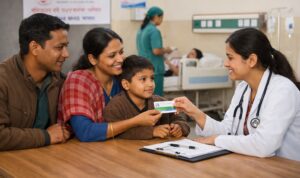
Regular health check-ups monitor maternal weight and nutritional status, allowing timely interventions. The programme integrates these check-ups with local healthcare services.
Community-Level Assistance
Anganwadi centres and outreach programmes provide mothers with support close to home, reducing travel barriers and improving awareness through community participation.
How POSHAN Abhiyaan Improves Child Nutrition
Infant and Young Child Feeding Practices
Proper feeding practices during infancy and early childhood are essential. The mission promotes appropriate breastfeeding, complementary feeding, and age-appropriate diets to support healthy growth. POSHAN Abhiyaan nutrition for mothers and children ensures caregivers have access to training and guidance for optimal feeding practices.
Growth Monitoring
Children’s height and weight are measured regularly to identify nutritional risks. Growth monitoring helps health workers provide targeted advice and referrals when required. Regular tracking under POSHAN Abhiyaan nutrition for mothers and children helps prevent long-term nutritional deficiencies.
Preventive Health Awareness
Nutrition education is linked with hygiene and disease prevention. Families learn how clean water, sanitation, and handwashing contribute to better nutritional outcomes. POSHAN Abhiyaan nutrition for mothers and children emphasises this integration to maximise impact.
Role of Anganwadi Centres in Nutrition Improvement
Anganwadi centres act as community hubs where nutrition services and awareness activities are delivered. POSHAN Abhiyaan nutrition for mothers and children leverages these centres to enhance service coverage.
Key Functions of Anganwadi Centres:
- Distribution of supplementary nutrition
- Growth monitoring for children
- Nutrition counselling for mothers
- Coordination with health workers for referrals
Because these centres operate at the grassroots level, they help ensure that nutrition services reach even remote and underserved communities.
Behaviour Change and Community Participation
A major strength of POSHAN Abhiyaan nutrition for mothers and children lies in its focus on behaviour change. Long-term nutrition improvement depends on daily habits related to food, hygiene, and childcare.
Community Engagement
Local meetings, awareness sessions, and campaigns encourage families to adopt healthier practices. Community participation helps spread practical knowledge that can be applied at home. POSHAN Abhiyaan nutrition for mothers and children uses these interactions to normalise positive nutrition behaviours.
Use of Local Foods
The programme encourages the use of locally available and affordable foods to meet nutritional needs. POSHAN Abhiyaan nutrition for mothers and children promotes local dietary diversity to achieve sustainable nutrition.
Integration with Health, Sanitation, and Education
Nutrition outcomes are influenced by more than food intake alone. POSHAN Abhiyaan maternal and child nutrition programme promotes coordination between nutrition services and other sectors such as healthcare, sanitation, and education.
Access to clean water, sanitation, and healthcare reduces infection risks, strengthening the mission’s overall impact.
Digital Tools and Monitoring
Technology supports the mission by improving data collection and monitoring. Digital records help track growth indicators, service delivery, and programme coverage. This maternal and child nutrition initiative utilises digital platforms for real-time monitoring and accountability.
Accurate data allows authorities to identify gaps and improve implementation. This monitoring system also supports transparency and accountability in the National Nutrition Mission programmes.
Importance of POSHAN Abhiyaan in Meghalaya and Similar Regions
In regions with challenging terrain and dispersed populations, community-based nutrition initiatives are especially important. This nutrition support programme for mothers and children strengthens local health systems by supporting Anganwadi centres and frontline workers.
The decentralised approach ensures that nutrition services reach rural and remote areas. Awareness activities conducted at the village level help build trust and participation among families.
Addressing Challenges in Nutrition Programmes
Nutrition initiatives often face challenges such as limited awareness, access difficulties, and resource constraints. National nutrition mission for mothers and children addresses these issues through:
- Training frontline workers
- Strengthening community engagement
- Improving monitoring systems
- Encouraging inter-departmental coordination
Continuous improvement helps adapt the programme to local needs and conditions.
“To understand how POSHAN Abhiyaan is being put into action specifically in Meghalaya, including the role of Anganwadi centres, digital monitoring, and community nutrition initiatives, check out our detailed article on Implementation of POSHAN Abhiyaan in Meghalaya.”
Long-Term Impact of Nutrition Improvement
Improved nutrition among mothers and children has far-reaching benefits. Healthier mothers experience fewer complications, while well-nourished children are more likely to grow into healthy and productive adults. The POSHAN Abhiyaan maternal and child nutrition scheme ensures that these benefits are sustainable over time.
So this National Nutrition Mission contributes to:
- Reduced healthcare burden
- Better educational outcomes
- Improved workforce productivity
- Stronger community health systems
These outcomes support long-term social and economic development.
Reliable Sources for Further Information
Readers seeking verified information can refer to:
- Ministry of Women and Child Development publications
- National Health Mission resources
- State-level health and nutrition department materials
- Explore related government schemes in Meghalaya Government Schemes
- For additional support, check Best Health Insurance Plans in India
Summary:
Malnutrition continues to affect mothers and children across India, including remote regions of Meghalaya. POSHAN Abhiyaan nutrition for mothers and children focuses on improving maternal health, child growth, and immunity through nutrition awareness, community support, and balanced diets. By addressing micronutrient deficiencies, promoting local food practices, and supporting child development, the mission ensures long-term benefits for maternal and child well-being in India.
Keywords included:
- POSHAN Abhiyaan nutrition for mothers and children
- Malnutrition
- Maternal health
- Child growth
- Micronutrient deficiencies
- Child development
FAQ – POSHAN Abhiyaan Nutrition for Mothers and Children
1. What is POSHAN Abhiyaan?
POSHAN Abhiyaan is a national nutrition mission aimed at improving the nutritional status of mothers and children. It focuses on awareness, service delivery, and community participation to address malnutrition and promote healthier growth and development.
2. Who benefits from POSHAN Abhiyaan nutrition for mothers and children?
The programme primarily supports pregnant women, lactating mothers, children under six years of age, and adolescent girls. By targeting these groups, POSHAN Abhiyaan ensures nutrition interventions reach the most vulnerable populations.
3. How does POSHAN Abhiyaan improve nutrition for mothers and children?
POSHAN Abhiyaan nutrition for mothers and children works through nutrition education, growth monitoring, preventive health awareness, and support from Anganwadi centres. The programme combines dietary guidance, micronutrient supplementation, and community-level interventions to achieve better health outcomes.
4. What are the key objectives of POSHAN Abhiyaan?
The mission focuses on reducing malnutrition, addressing anaemia among women and children, promoting healthy dietary practices, and strengthening service delivery systems. These objectives aim to ensure long-term improvements in maternal and child nutrition.
5. How do Anganwadi centres support nutrition improvement?
Anganwadi centres act as local hubs where children are monitored, supplementary nutrition is provided, and mothers receive counselling. They play a critical role in POSHAN Abhiyaan nutrition for mothers and children by reaching even remote communities with essential services.
6. What foods are recommended for mothers and children under this mission?
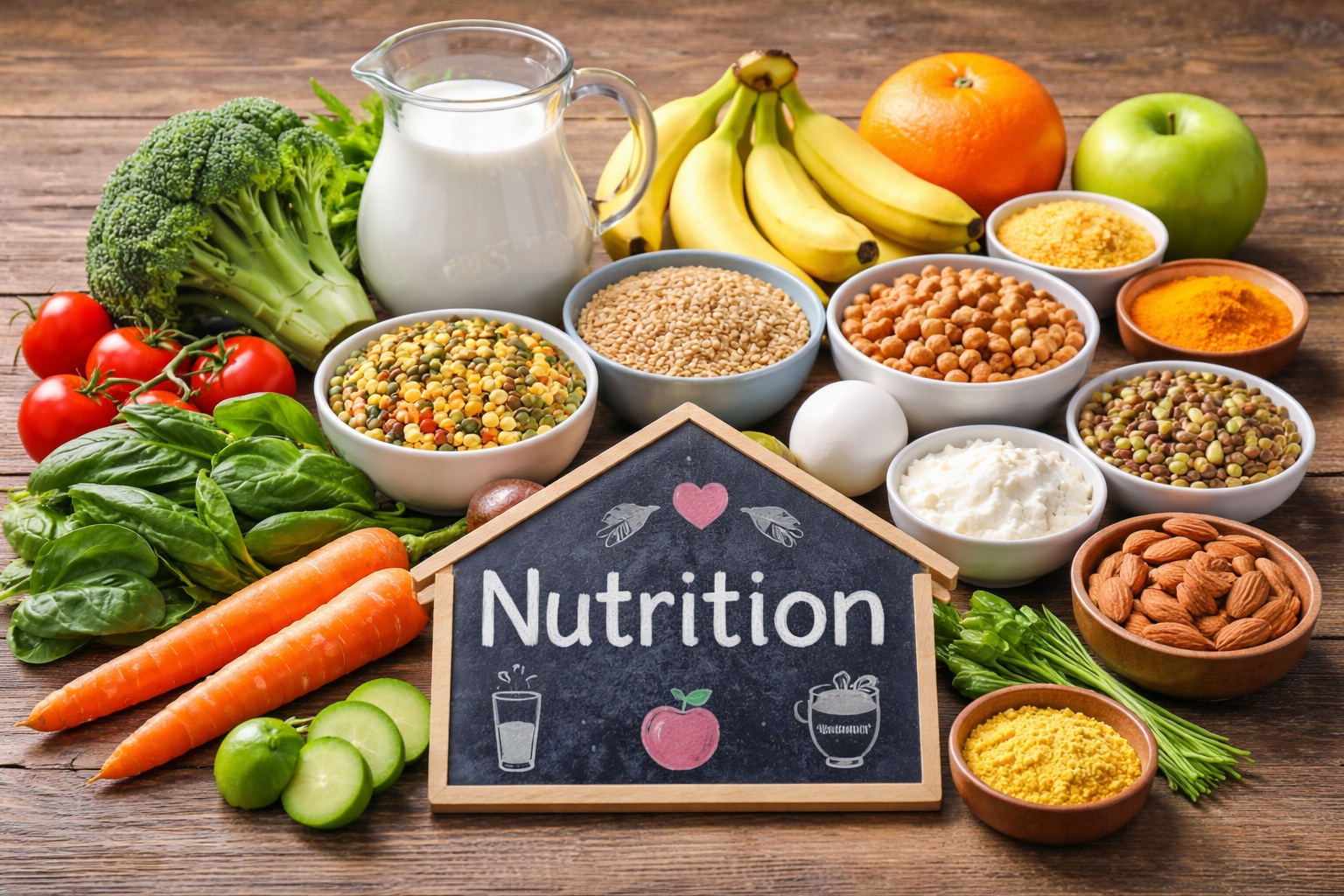
POSHAN Abhiyaan Nutrition for mothers and children encourages balanced diets including cereals, pulses, vegetables, fruits, and locally available foods. It also highlights the importance of micronutrients like iron, calcium, vitamin A, and iodine for healthy growth and development.
7. How can families track child growth and nutrition?
Families are encouraged to monitor children’s height, weight, and overall health regularly. Growth monitoring at home or through Anganwadi centres helps identify nutritional gaps early, allowing timely intervention.
8. Where can I find official information about POSHAN Abhiyaan?
Official resources include the Ministry of Women and Child Development and the National Health Mission websites, which provide detailed guidance, updates, and programme reports related to POSHAN Abhiyaan nutrition for mothers and children.