The Implementation of POSHAN Abhiyaan in Meghalaya focuses on improving maternal and child nutrition across the state by combining government services, community engagement, and digital monitoring tools. POSHAN Abhiyaan, India’s national nutrition mission, is implemented under the Ministry of Women and Child Development (MWCD) and targets malnutrition among children, adolescent girls, pregnant women, and lactating mothers through awareness campaigns, growth monitoring, supplementary nutrition, and behaviour change interventions. (POSHAN Abhiyaan – MWCD)
In Meghalaya, the Implementation of POSHAN Abhiyaan aligns with state-level welfare initiatives, including the Top Essential Meghalaya Government Schemes to ensure that nutrition services reach urban centers, semi-urban areas, and remote villages. By combining national objectives with local implementation strategies, the programme aims to improve child growth, maternal health, and overall nutrition outcomes in the state.
Objectives of the Implementation of POSHAN Abhiyaan in Meghalaya
The key objectives of the Implementation of POSHAN Abhiyaan in Meghalaya include:
- Reducing malnutrition among children under six years
- Improving the nutrition and health of pregnant and lactating women
- Preventing and addressing anaemia among women and children
- Promoting healthy dietary practices using locally available foods
- Strengthening monitoring and service delivery systems
These objectives are coordinated with local authorities, district health officials, and community workers to ensure that the programme reaches the most vulnerable populations. The focus on state-specific implementation allows Meghalaya to address local challenges while achieving national nutrition goals.
Structure and Delivery of the Implementation of POSHAN Abhiyaan in Meghalaya
The Implementation of POSHAN Abhiyaan in Meghalaya is executed through the Integrated Child Development Services (ICDS) network, leveraging Anganwadi centres as the primary delivery points. (ICDS Meghalaya)
Key components include:
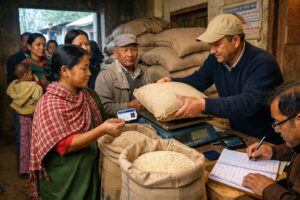
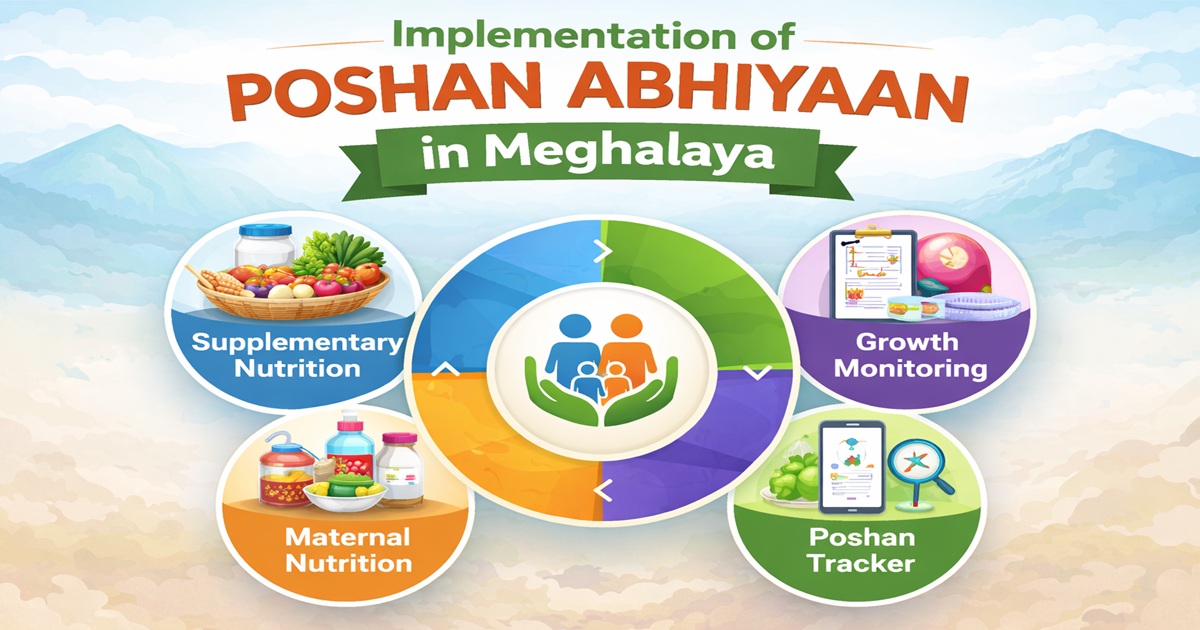
- Supplementary Nutrition: Distribution of balanced meals and micronutrient supplements to children and mothers
- Growth Monitoring: Regular measurement of height, weight, and nutritional status to detect stunting, wasting, and underweight conditions
- Nutrition Counselling: Mothers receive education on balanced diets, breastfeeding, complementary feeding, and hygiene practices
- Referral Services: Linkages to healthcare facilities for specialised care when needed
These interventions are adapted to Meghalaya’s geography, ensuring that even remote districts such as Garo Hills, Jaintia Hills, and Khasi Hills are included in the programme.
Role of Anganwadi Centres in the Implementation of POSHAN Abhiyaan in Meghalaya
Anganwadi centres serve as critical hubs in the Implementation of POSHAN Abhiyaan in Meghalaya. Their responsibilities include:
- Distributing supplementary nutrition to children under six and pregnant or lactating mothers
- Conducting growth monitoring and reporting to district authorities
- Offering counselling on child feeding, maternal nutrition, and hygiene practices
- Coordinating with health workers for immunisation, antenatal care, and referrals
By linking Anganwadi centres with state ICDS programmes, Meghalaya ensures that nutrition services are consistent, measurable, and accessible, even in geographically challenging areas.
Digital Monitoring in Meghalaya
Digital tools play a key role in the Implementation of POSHAN Abhiyaan in Meghalaya. The Poshan Tracker platform records:
- Number of beneficiaries receiving nutrition services
- Growth indicators for children under six
- Distribution of supplementary nutrition
- Training and activity reports of Anganwadi workers
This system allows state authorities to identify gaps, allocate resources efficiently, and maintain transparency. (Poshan Tracker – Government of India)
Nutrition Services for Mothers and Children
Maternal Nutrition
The Implementation of POSHAN Abhiyaan in Meghalaya provides:
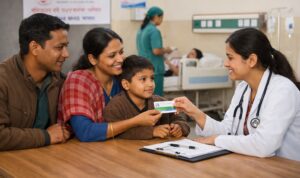
- Regular health check-ups for pregnant and lactating mothers
- Guidance on balanced diets, iron-folic acid supplementation, and other essential micronutrients
- Counselling to prevent maternal anaemia and improve postnatal recovery
Child Nutrition
The programme ensures that children:
- Receive exclusive breastfeeding support during the first six months
- Are provided age-appropriate complementary foods to ensure healthy growth
- Have growth tracked to detect stunting, wasting, and underweight conditions
- Benefit from locally available foods for dietary diversity
Families are encouraged to participate actively, reinforcing positive nutrition habits at home. For more detailed guidance, see POSHAN Abhiyaan Nutrition for Mothers and Children.
School Nutrition Programmes
Schools complement Anganwadi services through the PM POSHAN (Midday Meal Scheme). Children receive nutritious meals daily, which improves dietary intake and supports learning outcomes. (PM POSHAN – Ministry of Education)
Integration of school nutrition programmes ensures a continuum of care from early childhood through school age as part of the Implementation of POSHAN Abhiyaan in Meghalaya.
Community Engagement and Behaviour Change
Community involvement strengthens the Implementation of POSHAN Abhiyaan in Meghalaya:
- Village-level awareness sessions on nutrition, hygiene, and child care
- Mothers’ groups trained to monitor child growth and adopt healthy feeding practices
- Campaigns integrating local cultural practices with nutrition messages
These initiatives encourage families to follow healthy practices and foster trust between communities and programme implementers.
Challenges in Meghalaya
The Implementation of POSHAN Abhiyaan in Meghalaya faces unique challenges:
- Difficult terrain and remote locations limit accessibility
- Awareness gaps in some communities
- Training gaps for Anganwadi and frontline workers on digital tools
- Seasonal disruptions affecting distribution and outreach
To overcome these issues, Meghalaya focuses on:
- Continuous training for staff and Anganwadi workers
- Strengthened supervision using Poshan Tracker
- Engaging local leaders and communities in awareness activities
Long-term Impact
The Implementation of POSHAN Abhiyaan in Meghalaya aims for sustainable improvements in:
- Maternal health and reduced pregnancy complications
- Child growth, cognitive development, and immunity
- Educational outcomes and school attendance
- Workforce productivity and long-term human capital
Strengthening local health and nutrition systems ensures that these benefits are maintained over time.
Integration with Other Government Programmes
POSHAN Abhiyaan works in coordination with:
- ICDS Meghalaya initiatives
- PM POSHAN (Midday Meal Scheme)
- Swachh Bharat sanitation campaigns
- State health programmes
This convergence enhances the overall impact of nutrition interventions and ensures efficiency in implementation.
FAQs — Implementation of POSHAN Abhiyaan in Meghalaya
1. What is POSHAN Abhiyaan in Meghalaya?
POSHAN Abhiyaan is a national nutrition mission implemented in Meghalaya to reduce malnutrition among children, adolescent girls, pregnant women, and lactating mothers through nutrition awareness, supplementation, growth monitoring, and community engagement.
2. How is POSHAN Abhiyaan implemented in Meghalaya?
The programme operates via Anganwadi centres under ICDS, providing supplementary nutrition, growth monitoring, maternal counselling, referrals, and digital tracking through Poshan Tracker.
3. Who benefits from POSHAN Abhiyaan in Meghalaya?
Children under six, adolescent girls, pregnant women, and lactating mothers benefit directly, while families and communities gain awareness and long-term health benefits.
4. How do Anganwadi centres support POSHAN Abhiyaan?
Anganwadi centres distribute nutrition supplements, monitor growth, provide counselling, and coordinate with health workers for immunisations and healthcare referrals. (ICDS Meghalaya)
5. What services are offered to mothers?
Mothers receive health check-ups, nutrition counselling, iron-folic acid and micronutrient supplementation, and guidance on balanced diets.
6. How does Poshan Tracker help in Meghalaya?
Poshan Tracker records beneficiaries, tracks growth data, monitors nutrition distribution, and helps officials improve programme coverage. (Poshan Tracker)
7. How are schools involved?
Through PM POSHAN, children receive daily nutritious meals, complementing Anganwadi services and improving health and learning outcomes.
8. What challenges are faced?
Challenges include hilly terrain, awareness gaps, training needs for frontline workers, and seasonal accessibility issues, addressed through training, supervision, and community engagement.
Summary:
The Implementation of POSHAN Abhiyaan in Meghalaya focuses on improving maternal and child nutrition through Anganwadi centres, digital monitoring with Poshan Tracker, and community-based initiatives. This effective implementation ensures better growth, health, and nutrition outcomes for mothers and children in the state. By integrating local services with national objectives, Meghalaya strengthens its healthcare system and promotes sustainable nutrition practices.
Keywords included:
- Implementation of POSHAN Abhiyaan in Meghalaya (focus keyword)
- Effective implementation
- Maternal and child nutrition
The Implementation of POSHAN Abhiyaan in Meghalaya showcases a coordinated approach to maternal and child nutrition. By linking Anganwadi centres, ICDS frameworks, school programmes, digital monitoring, and community participation, Meghalaya strengthens its nutrition systems and ensures lasting improvements in maternal and child health.