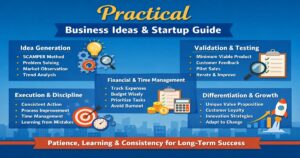

How to manage personal finances effectively is not about earning more money; it is about making smarter decisions with the money you already earn. It is a life skill that directly affects daily comfort, long-term goals, and mental peace. Many people face money stress not because their income is low, but because they lack a clear system to manage income, expenses, savings, and future responsibilities.
This guide explains personal finance management in a simple, practical, and realistic way. It goes beyond surface-level tips and covers budgeting habits, savings discipline, debt control, irregular expenses, life-stage planning, and common mistakes—making it useful for students, working professionals, families, and retirees alike.
What Does Effective Personal Finance Management Mean?
Effective personal finance management means having full control over where your money comes from and where it goes. It includes:
- Knowing your exact income
- Understanding all expenses, big and small
- Saving consistently
- Managing debt responsibly
- Planning for future needs and emergencies
It does not mean cutting all enjoyment or living extremely frugally. Instead, how to manage personal finances effectively is about balance—meeting today’s needs while securing tomorrow.
Think of your finances like a personal business. Money flows in as income, flows out as expenses, and the surplus should be managed wisely for stability and growth.
Why Personal Finance Management Is Important
Learning how to manage personal finances effectively offers benefits that many people only realize after facing financial stress:
- Reduced stress: Clear financial planning brings mental peace
- Emergency readiness: Medical bills or urgent repairs do not derail life
- Goal achievement: Education, home purchase, travel, and retirement become realistic
- Better discipline: Financial control builds long-term confidence
For foundational financial knowledge, the Reserve Bank of India Financial Literacy Programme provides reliable guidance for Indian readers.
Step 1: Understand Your Current Financial Position
The first step in how to manage personal finances effectively is knowing where you stand today.
Income
Include salary, freelance income, business earnings, or side income.
Expenses
Break expenses into:
- Essential: rent, groceries, utilities, transport
- Fixed bills: subscriptions, insurance, education
- Occasional: festivals, travel, repairs
Savings and Investments
List bank savings, fixed deposits, mutual funds, or recurring deposits.
Understanding the difference between savings accounts and current accounts helps in managing daily money flow correctly.
Debt
Note loans, EMIs, and credit card balances with interest rates.
This snapshot removes guesswork and forms the foundation of effective money management.
Step 2: Track Spending Consistently
A key rule of good money management is tracking expenses with discipline.
- Track daily or weekly
- Categorize spending
- Review patterns monthly
Small daily expenses add up. For example, ₹50 per day equals ₹1,500 per month—money that could support savings or emergencies. Tracking helps you understand habits, not just numbers.
Step 3: Create a Flexible Budget System
Rather than rigid budgeting, effective money management works better with a flexible structure.
- Essentials first
- Savings second
- Lifestyle spending last
Example for ₹40,000 monthly income:
- Essentials: ₹25,000
- Savings: ₹8,000
- Lifestyle: ₹7,000
Flexibility allows adjustment without losing discipline.
Step 4: Build Strong Saving Habits
Saving is central to maintaining long-term financial stability.
Make Savings Automatic
- Auto-transfer savings monthly
- Treat savings as a fixed expense
Emergency Fund
- Save 3–6 months of essential expenses
- Protects against job loss, illness, or urgent repairs
Long-Term Savings
Once emergencies are covered, plan for education, property, travel, and retirement.
For long-term wealth creation, understanding best mutual funds in India can support disciplined investing.
Step 5: Manage Debt the Smart Way
Debt can support goals when managed wisely. How to manage personal finances effectively includes:
- Avoiding credit for daily spending
- Understanding interest rates
- Paying high-interest debt first
Responsible debt management prevents financial pressure and improves cash flow.
Step 6: Set Clear Financial Goals
A critical part of how to manage personal finances effectively is goal setting.
Good goals are:
- Specific
- Measurable
- Time-bound
Example: Save ₹50,000 in six months for a laptop.
Clear goals improve accountability and motivation.
Step 7: Plan for Future Life Stages
Effective financial planning looks ahead:
- Children’s education
- Healthcare costs
- Housing
- Retirement
Understanding how to manage personal finances effectively means preparing early to avoid last-minute stress.
Step 8: Review and Adjust Regularly
A system for how to manage personal finances effectively must evolve.
- Review monthly
- Adjust for income changes
- Track progress toward goals
Regular reviews strengthen financial resilience.
The Psychology Behind Money Decisions
Many people struggle with how to manage personal finances effectively due to emotional spending. Advertisements, peer pressure, and instant gratification influence decisions. Awareness of these triggers leads to better financial choices.
Managing Irregular and Seasonal Expenses
Annual costs often disrupt budgets:
- Festivals
- Insurance renewals
- Vehicle maintenance
Plan these monthly to maintain financial balance.
Common Financial Mistakes to Avoid
- Ignoring small expenses
- Saving only after spending
- Avoiding financial reviews
- Delaying long-term planning
Avoiding these mistakes improves financial stability faster than shortcuts.
Managing Personal Finances at Different Life Stages
Students
- Learn budgeting basics
- Avoid unnecessary loans
Working Professionals
- Balance lifestyle and savings
- Build emergency funds
Families
- Plan for dependents
- Strengthen insurance and savings
Later Career
- Focus on retirement
- Reduce financial dependency
Simple Daily Habits That Improve Financial Control
- Track expenses
- Review bank statements
- Plan purchases
- Avoid impulse buying
Small habits reinforce how to manage personal finances effectively over time.
Resources for Financial Learning
- Reserve Bank of India – Financial Literacy
- For reliable guidance on money management and financial literacy in India, you can visit the NCFE – Financial Literacy Resources.
These authoritative sources support responsible financial decisions.
Learning to manage money wisely is about awareness, planning, and consistency. When income, expenses, savings, and goals are managed systematically, financial stress reduces and confidence grows. This approach focuses on real-life habits rather than shortcuts, making it sustainable and practical for everyday life.
Frequently Asked Questions
- Why is managing personal finances effectively important?
It reduces stress, improves savings, and prepares you for emergencies and long-term goals. - How often should finances be reviewed?
Monthly reviews are ideal for tracking expenses and adjusting plans. - Can small savings really help?
Yes. Small, consistent savings build strong financial security over time. - Is budgeting necessary to manage personal finances effectively?
Yes. Budgeting provides clarity and prevents overspending. - What is the biggest mistake in personal finance?
Ignoring small expenses and delaying financial planning. - Can fluctuating income be managed effectively?
Yes. By prioritizing essentials and saving during high-income periods. - Do I need financial apps?
Apps help, but discipline matters more than tools. - Is debt always bad?
No. Responsible debt can support long-term goals. - How long does it take to build financial discipline?
With consistency, noticeable improvement appears within a few months. - Where can beginners learn more about money management?
Government financial literacy portals and trusted educational resources are ideal starting points.