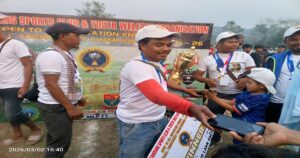

The New Year Celebration is a time of joy, hope, and cultural pride worldwide. Among these, the Garo New Year Celebration is a truly unique festival observed wherever Garos live — in Meghalaya, Assam, Nagaland, Tripura, Bangladesh, and even abroad.
Unlike Christmas, this New Year festival does not mark the birth of Jesus Christ, but it is just as lively, featuring drum beats, synchronized dances, Song Kristan hymns, and grand community feasts. Even in cities or abroad where space is limited, Garos gather in pandals, church compounds, or community halls to celebrate, keeping the Garo festival traditions alive.
The True Meaning of the Garo festival for the Garos
For the Garos, the New Year Celebration is more than a change in the calendar. It is a time to:
- Thank God for the blessings of the past year
- Pray for peace, prosperity, and well-being in the coming year
- Gather as a community to strengthen bonds
- Celebrate cultural unity through dance, music, and feasting
Every ritual, song, and dance during this New Year festival reinforces Garo identity and heritage, keeping traditions alive for generations.
Preparing for the Garo New Year Celebration
Preparation begins days before the festival:
- Villagers and community members meet every evening for fellowship
- Drummers and dancers practice rhythms and steps
- Song Kristan groups rehearse hymns
- Families prepare tribal snacks, Wanti, Pita, cakes, and tea
The anticipation creates a festive atmosphere, and everyone contributes to make the New Year Celebration memorable.
Song Kristan: Heart of the New Year Celebration
Song Kristan, the traditional Garo Christian hymns, is the soul of the New Year Celebration:
- Preserves the Garo language and faith traditions
- Bridges generational gaps through communal singing
- Strengthens the cultural identity of the Garo people
Even in urban areas or abroad, Song Kristan hymns remain central to the Garo festival, sometimes accompanied by English songs for wider participation.
Midnight Church Service: Welcoming the New Year
On 31st December, communities gather in churches or halls:
- Services continue until midnight, the spiritual climax of the traditional Garo New Year festival
- At 12:00 AM, the New Year is officially welcomed
- People exchange joy, blessings, and warm greetings
- Firecrackers may light up the sky in some areas
- Song Kristan hymns are sung with renewed devotion
This marks the spiritual beginning of the New Year for Garos worldwide.
Nightlong Dancing and Drum Beats
One of the most exciting parts of the Garo festival is the nightlong dance:
- Men, women, boys, girls, and even women carrying babies participate
- Movements are synchronized with drum rhythms
- Dancing happens house to house, in open fields, or community halls, spreading joy across the community
It is not just a dance; it is a celebration of life, unity, and heritage.
A’chik Nokdang: Selecting the Next Year’s Host
The A’chik Nokdang system is a unique tradition in the Garo festival:
- The next host household can be chosen in advance or during the feast day, depending on convenience
- The selected family is honored with a garland, and a prayer is offered for their prosperity
- They prepare throughout the year by rearing pigs, storing rice, and arranging the feast
This ritual reflects love, respect, and community support, ensuring the festival continues seamlessly.
Community Feast: The Heart of the New Year Celebration
The feast is a major highlight of the Garo New Year Celebration:
- Serves tribal meals and a variety of dishes, reflecting local flavors
- Snacks like Wanti and Pita are served before or after the main meal, not during
- Villagers contribute by cooking, preparing pandals, cutting firewood, and arranging seating
Each meal is a celebration of togetherness and hospitality, strengthening bonds across the community.
The Pork-Leg Ritual
After the main meal, the pork-leg procession begins:
- Meal service pauses temporarily during the ritual
- A pork leg is carried to the next year’s host household, using bamboo, wood, or other sturdy material
- Everyone participates: men, women, boys, girls, and women carrying babies
- The recipient family is honored and prayed for, marking the transfer of community responsibility
Feast Resumes for Invitees and Dignitaries
Once the pork-leg procession departs, the feast resumes:
- Meals and socializing continue until late evening
- The atmosphere is filled with laughter, storytelling, and music, celebrating the unity and joy of the community
Extended Dancing, Singing, and Rejoicing
After the pork-leg ritual, festivities continue on the same day:
- Groups continue dancing, singing Song Kristan hymns, and rejoicing
- Celebrations may move long distances within the village or open fields
- Everyone, including women with babies, participates
- The New Year Celebration ends before midnight, completing the day’s festivities
Villages, Towns, and Garo Communities Worldwide
Village Celebrations:
- House-to-house dancing and long-distance processions
- Pork-leg carrying ceremony
- One household hosts the feast
- Entire village contributes labor, firewood, and ingredients
Urban & Overseas Celebrations:
- Space may limit house-to-house dancing
- Communities gather in pandals, church compounds, or halls
- Song Kristan, drums, and dances continue
- Families cook pork and snacks
- Many Garos return to their villages to experience traditional celebrations
Cultural Significance of the Garo New Year Celebration
The festival represents:
- Unity — celebrating as one community
- Sharing — distributing food, work, and effort equally
- Identity — preserving dances, songs, and rituals
- Faith — midnight service marks the spiritual start
- Heritage — centuries-old traditions passed down
This annual Garo festival is not just a celebration — it is a treasure of culture, faith, and community worldwide.
Frequently Asked Questions (FAQ)
- How is New Year celebrated in Garo culture worldwide?
Through synchronized dances, drum beats, Song Kristan hymns, midnight church service, communal feasting, and the A’chik Nokdang ritual. - What makes the Garo New Year Celebration unique?
House-to-house dancing, tribal meals, snacks outside main meals, and the pork-leg carrying ceremony. - Are Song Kristan hymns part of the New Year Celebration?
Yes, they are sung in both Christmas and New Year celebrations, connecting generations. - Do urban and overseas Garos celebrate the New Year traditionally?
Yes, often in pandals, church compounds, or halls, keeping traditions alive. - What is the A’chik Nokdang pork-leg ritual?
A pork leg is carried to the next year’s host household with prayers, dancing, and community participation.