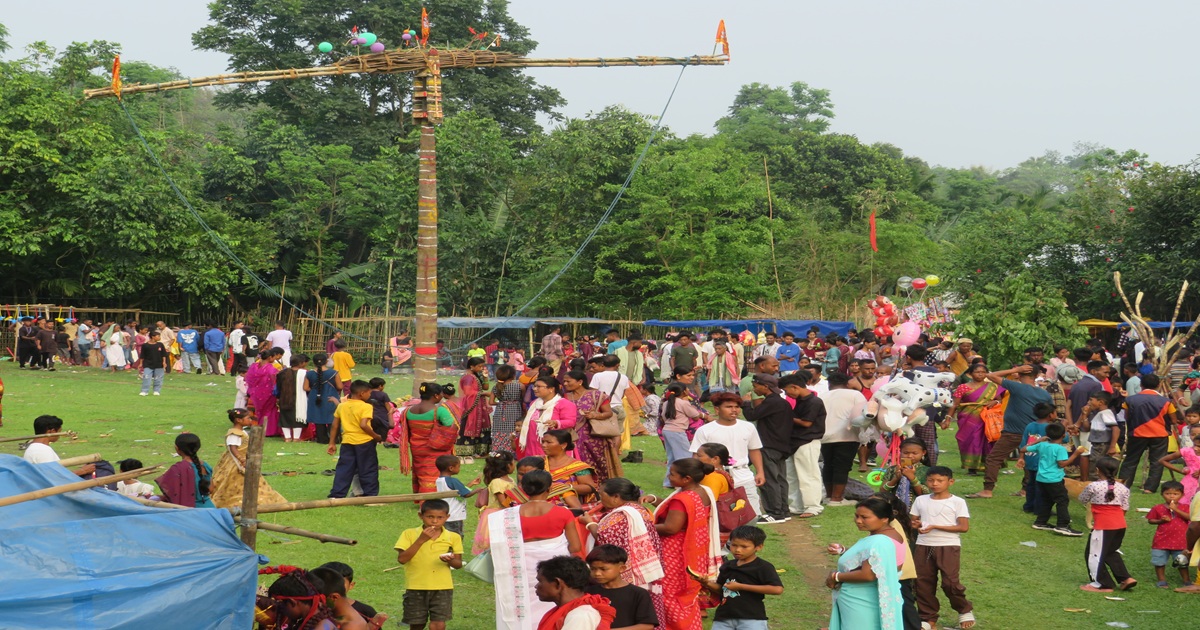
Balat, April 14 2026: The annual Charak Puja Pyndenborsora Kali Mandir celebration, also known as Charak Mela, was observed in a peaceful and well-organised manner in East Khasi Hills district of Meghalaya. The festival concluded today after nearly a month of steady preparations, attracting a large number of devotees and visitors from nearby villages and other regions.
A significant number of people attended the celebration, including elderly residents, youth, and children. The overall environment remained calm, disciplined, and respectful throughout the day, with no reports of any untoward incidents. The event reflected a strong sense of unity, as people from different cultural, linguistic, and social backgrounds gathered together and participated with mutual respect.
The Pyndenborsora Kali Mandir, located near the international border with Bangladesh, is considered an important religious and cultural site in the region. It lies around 106 kilometres from Shillong, the capital city of Meghalaya. Even though the location is relatively remote, the Charak Puja Pyndenborsora Kali Mandir event continues to draw attention and participation from people across nearby and distant areas.
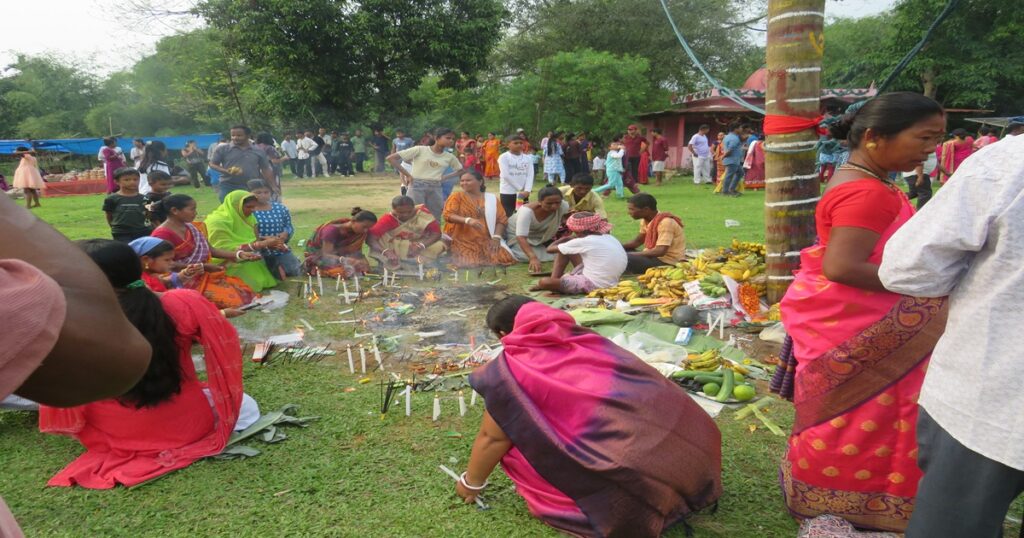
In the weeks before the main day, devotees followed traditional practices by visiting homes and nearby villages to collect offerings and voluntary contributions. These efforts showed community participation and support, leading up to the main rituals performed on the final day of the festival.
Charak Puja is a traditional Hindu festival dedicated to Lord Shiva and is widely observed in parts of West Bengal, Assam, Tripura, and Bangladesh. At Pyndenborsora, the festival is mainly organised and preserved by the Mandai Community, which has continued this tradition for generations, helping to pass it on to younger members of society.
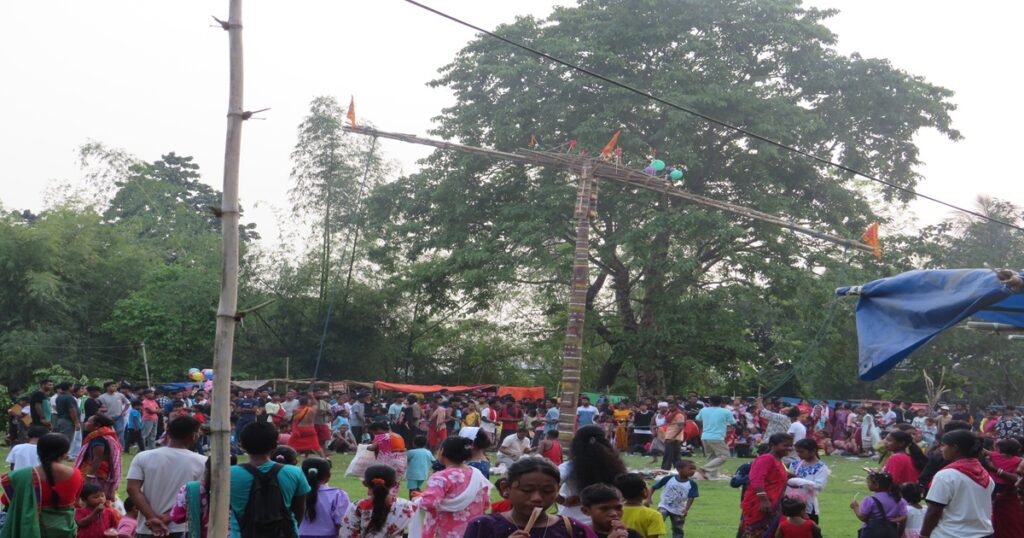
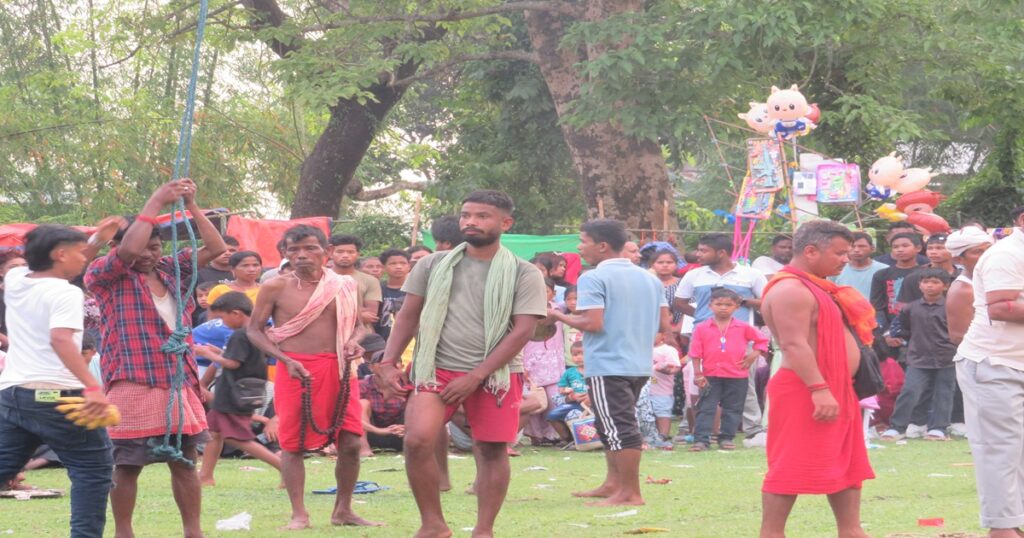
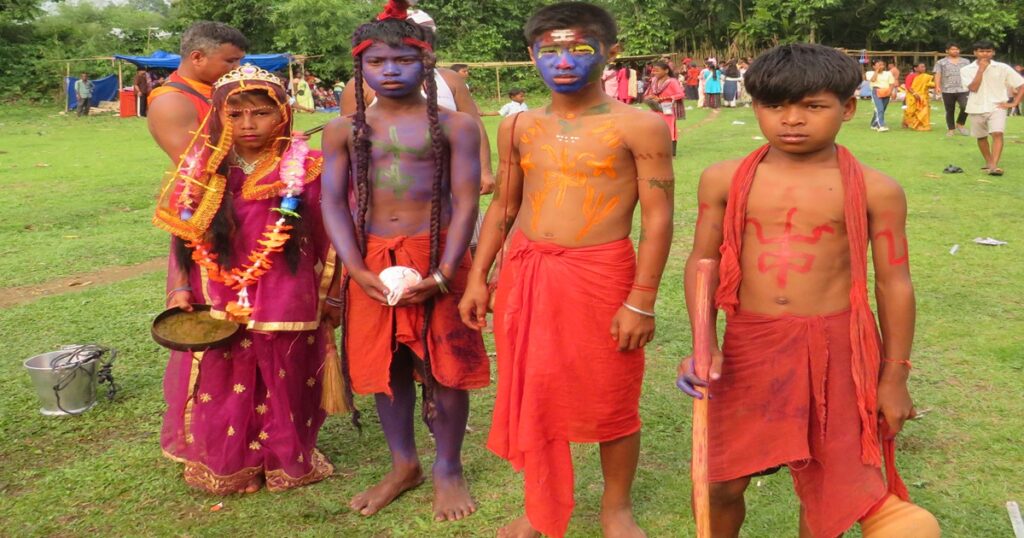
A key ritual of the festival included setting up a tall wooden structure known as the Charak Tree. As part of the ceremony, some devotees expressed their faith through acts of penance, including symbolic body piercings and being tied and rotated around the pole. These acts represent devotion and surrender to Lord Shiva. In recent times, many such practices are carried out in a safer and more symbolic way, keeping public safety in mind.
Other devotional activities included symbolic piercing of the tongue, cheeks, or skin, reflecting spiritual dedication. These practices are mostly seen in rural areas and remain a part of the traditional cultural identity of the region.
As per the Gregorian calendar, Charak Puja is generally observed on April 13 or 14, marking Chaitra Sankranti, which signifies the end of the agricultural year and the beginning of the Bengali New Year, Pohela Boishakh. Devotees observe the festival to seek blessings for good health, prosperity, and overall well-being.
The celebration also featured several temporary stalls selling food, local products, and traditional items, adding to the festive atmosphere. Apart from its religious importance, the event also served as a cultural platform for the Mandai Community to showcase their traditions, music, and community spirit.
Overall, the peaceful conduct of the festival highlights the region’s rich cultural heritage and reflects the spirit of harmony among different communities. The festival continues to play an important role in preserving traditional practices while promoting unity and mutual understanding in this border area of Meghalaya.