In Brief
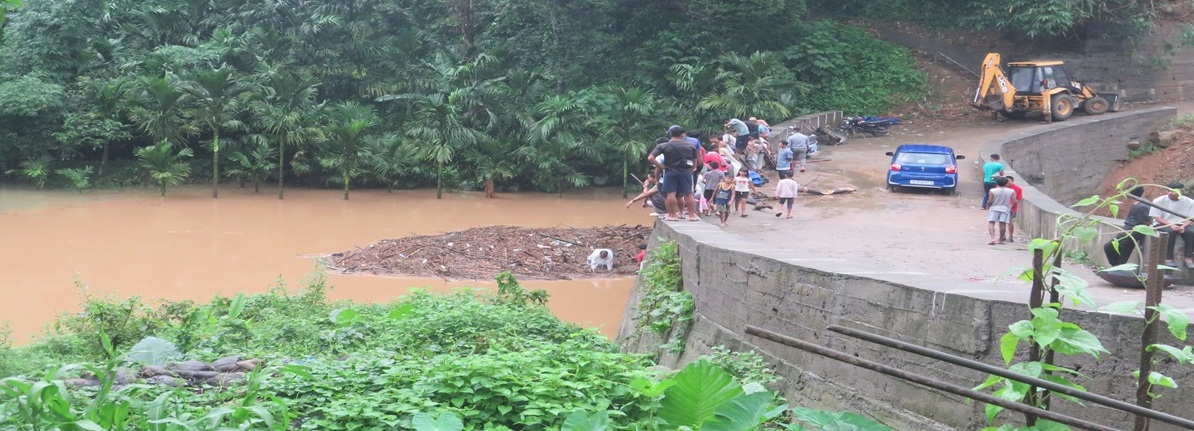
- Heavy rainfall last Sunday caused bushes, logs, branches, mud, stones, and other debris to accumulate at the entrance of the home pipe beneath the temporary Balat Subway Bridge.
- Workers carried out a clearing operation to remove the blockage and restore the free flow of water.
- The Balat Subway Bridge continues to serve as an important transportation link for Balat and surrounding border villages while the permanent concrete bridge is yet to be constructed.
- After the debris was cleared, the movement of vehicles, pedestrians, and daily commuters returned to normal.
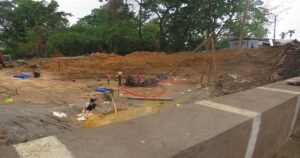
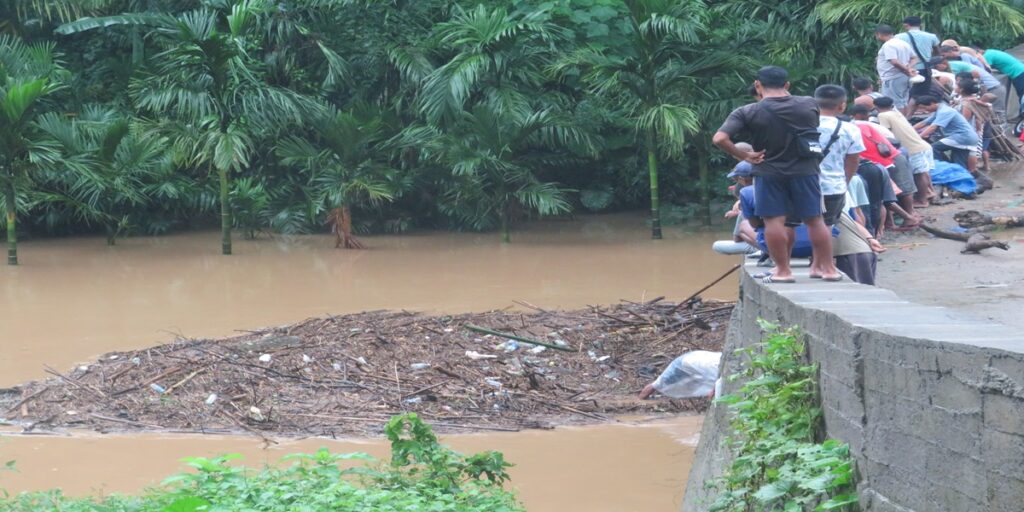
BALAT, June 26: During heavy rainfall last Sunday, a large quantity of bushes, logs, tree branches, mud, stones, and other debris accumulated at the entrance of the home pipe beneath the temporary Balat Subway Bridge, reducing the free flow of water into the downstream channel.
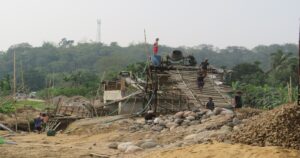
The debris, carried by the strong current from the upper hilly areas, became lodged at the entrance of the home pipe, making it difficult for water to pass through. Workers were seen clearing the accumulated debris to restore the flow of water. Due to the size and weight of the logs and branches, the clearing operation required considerable effort as much of the debris could not pass through the home pipe on its own.
Several local residents and commuters gathered at the site to watch the workers remove the blockage during the heavy rainfall.
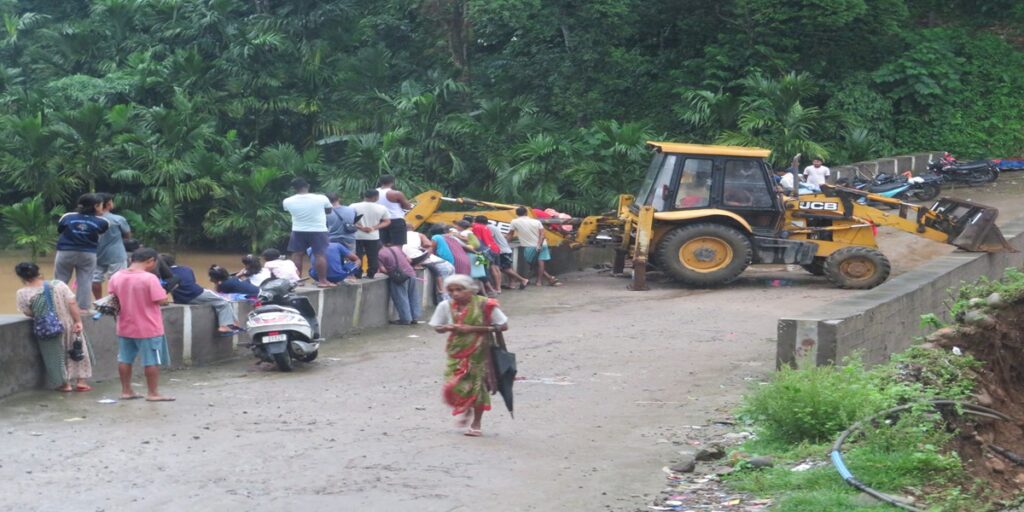
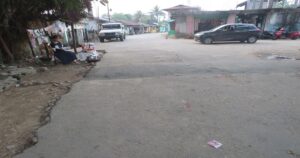
The temporary Balat Subway Bridge serves as an important transportation link for Balat and several surrounding border villages. Residents depend on the route for daily travel, shopping, business activities, education, healthcare, and access to nearby villages. The permanent concrete bridge is yet to be constructed, and until then, the temporary Balat Subway Bridge continues to serve as the primary crossing for vehicles, pedestrians, and daily commuters travelling to and from Balat Bazaar and neighbouring villages.
Balat Bazaar is a long-established market in the border area and serves as an important commercial centre for residents of Balat and several surrounding villages, where people visit for shopping, business, and other daily needs. Balat, located approximately 96.7 kilometres from the state capital Shillong and it falls under the Ranikor C&RD Block, South-West Khasi Hills, Meghalaya which is an important border town that connects several villages in the region.
According to observations at the site, continuous heavy rainfall caused the water level to rise, carrying bushes, logs, branches, mud, stones, and other debris from the upper catchment areas. As the debris accumulated at the entrance of the home pipe, the free flow of water was reduced until workers cleared the obstruction. After the workers removed the accumulated debris, the movement of vehicles, pedestrians, and daily commuters returned to normal, allowing residents to continue their daily lives and routine activities as usual.
Frequently Asked Questions (FAQ)
1. What happened at the Balat Subway Bridge?
Heavy rainfall caused bushes, logs, branches, mud, stones, and other debris to accumulate at the entrance of the home pipe beneath the temporary Balat Subway Bridge.
2. Why did debris accumulate?
According to observations at the site, continuous heavy rainfall carried bushes, logs, branches, mud, stones, and other debris from the upper catchment areas, where they became lodged at the entrance of the home pipe.
3. Was the blockage removed?
Yes. Workers cleared the accumulated debris, allowing the free flow of water to resume.
4. Is the Balat Subway Bridge currently open?
Yes. After the clearing work, the movement of vehicles, pedestrians, and daily commuters returned to normal.
5. Is the permanent bridge completed?
No. The permanent concrete bridge is yet to be constructed, and the temporary Balat Subway Bridge continues to serve as the primary crossing for residents and commuters in the area.